EPR Authorization Certificate Registration Permission
Enviro Legal Services
Our Services
EPR Certificate Services
The term “EPR Certificate” typically refers to the Extended Producer Responsibility (EPR) certification. Extended Producer Responsibility is a policy approach that holds producers responsible for the entire lifecycle of their products, including their post-consumer stage. The aim of EPR is to promote sustainable waste management and encourage producers to take responsibility for the environmental impacts of their products.
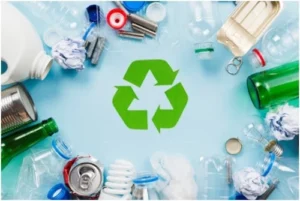
An EPR Certificate is a certification or acknowledgment provided to a producer or manufacturer who meets the requirements and obligations set forth by the EPR regulations. It signifies that the producer has implemented measures to effectively manage the environmental impact of their products throughout their lifecycle, particularly during the post-consumer stage.
Ready to consult your audit?
What is an EPR Certificate?
Extended Producer Responsibility (EPR) is an environmental policy that makes producers legally responsible for managing the environmental impact of their products throughout their entire lifecycle, especially after the product is discarded by consumers.
The EPR Certificate is an official approval that confirms a producer, manufacturer, or importer has:
- Registered under the Central Pollution Control Board (CPCB) or State Pollution Control Board (SPCB)
- Complied with the mandatory collection, recycling, and disposal targets for their product category (e.g., plastics, e-waste, batteries, tyres)
- Implemented sustainable and traceable waste management practices
EPR services offered by us:
List of EPR & Regulated Waste Categories:
- Plastic Waste (As per Plastic Waste Management Rules, 2016 & Amendments)
- Battery Waste (As per Battery Waste Management Rules, 2022)
- E-Waste (As per E-Waste Management Rules, 2022)
- Used Oil (As per Hazardous & Other Wastes Rules, 2016)
Certificates under PWM
- PIBO – For Producers, Importers, Brand Owners
- PWP – Plastic Waste Processors
Who can take:
As per EPR guidelines, if you have Consume Fresh Plastic/Plastic Waste as raw materials Producers, Importers and Brand Owners (PIBOs) need to register through the online centralized portal developed by the Central Pollution Control Board (CPCB).
EPR Authorization Process
1) Data/Details Collection as per Requirement 2) Application Preparation and Online registration 3) Application Submitted 4)Physical Verification by Board if Applicable 6)Geeting Final order
How Alep Help Them EPR Permission
We will providing & Prepare Technical Details As per Govt Rules and after obtaining applicable details from Client, Our Team will Applied Application on site and we will bring you the final EPR certificate permission.
EPR Registration
The specific requirements for obtaining an EPR Certificate can vary depending on the country or jurisdiction where the certification is sought. Generally, to obtain an EPR Certificate, a producer or manufacturer must demonstrate compliance with the following key elements:
Product Design: The producer must design products with considerations for their environmental impact, such as recyclability, reusability, and reduced resource consumption.
Collection and Recycling Infrastructure: The producer must establish or participate in systems for collecting and recycling their products after they have been used by consumers. This may involve collaborating with waste management agencies, setting up collection centers, or implementing take-back programs.
Financial Responsibility: The producer must bear the financial responsibility for the collection, recycling, and disposal of their products. This typically involves paying fees or contributing to a fund that supports waste management activities.
Reporting and Compliance: The producer must maintain records, submit regular reports, and comply with the reporting requirements set by the regulatory authorities. This includes providing data on the quantity of products placed on the market, the amount collected for recycling, and the recycling rates achieved.
Compliance Monitoring: The producer may be subject to audits or inspections to ensure compliance with EPR regulations and standards. This helps verify that the producer is fulfilling their obligations and implementing the necessary measures.
EPR Certificates are typically issued or recognized by the relevant regulatory authorities or designated certification bodies responsible for overseeing EPR programs. These certificates provide assurance to consumers, regulatory agencies, and other stakeholders that the producer is actively engaged in sustainable waste management practices and fulfilling their extended producer responsibility.
